
"Puerto Rico coffee"
800 article(s) found

Introduction to San Pedro Chateau San Pedro
Apart from the sunshine and beaches of the Caribbean and Miss World, do you know what else is most attractive about this South American island known as the port of wealth? That's the best coffee. Puerto Rico is one of the world's preeminent coffee producers. Since the second half of the 19th century, Puerto Rican coffee has become the first choice of the Vatican and European royals, and has also been the president of the United States.

A brief introduction to the cultivation of nutty boutique coffee beans in San Pedro Manor, geography, climate and altitude
Apart from the sunshine and beaches of the Caribbean and Miss World, do you know what else is most attractive about this South American island known as the port of wealth? That's the best coffee. Puerto Rico is one of the world's preeminent coffee producers. Puerto Rican coffee has become the first choice of the Vatican and European royals since the second half of the 19th century.
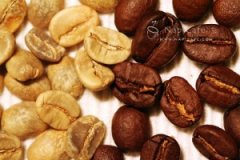
Central America Puerto Rico San Pedro Estate Coffee Beans
Puerto Rico Puerto Rico San Pedro Estate Coffee Beans Puerto Rico This new crop coffee is a mild, supple, well-balanced island bean with a dry aroma with an attractive single malt sweetness, extremely sweet on the sip, medium toasted cream and a greasy texture that is often suitable for Puerto Rico island beans. The whole Caribbean coffee history with Spanish

A brief introduction to the flavor, taste and aroma characteristics of boutique coffee beans in San Pedro Manor
Puerto Rico's coffee beans are carefully planted, pure, aromatic and heavy, of which the best coffee is Yauco Selecto, which means Selecto. Yaocote Coffee is grown only on three farms in the southwest of the island, San Pedro, Caracolillo and La Juanita. It is a truly high-quality coffee with a strong flavor and a long aftertaste. 20th century wave

A brief introduction to the flavor, taste and aroma characteristics of fine coffee beans in San Pedro Manor.
The hills of southwestern Puerto Rico have a mild climate, a long period of plant maturity (from October to February) and high-quality clay. People here have been using an eco-friendly, intensive planting method, picking only fully ripe coffee beans and then flushing them in a drum device for 48 hours. Yocott chooses coffee beans before they are put on sale.

Puerto Rico Coffee Variety Features Taste Manor Coffee Bean Flavor Introduction
In the coffee world, speaking of coffee from islands, I think everyone must be familiar with Jamaica Blue Mountain and Hawaii Kona, both of which are famous boutique coffee. In fact, if you talk about island-origin coffee, there is another kind that is worth talking about and tasting, and that is Puerto Rico. If you look for its location on Earth, it may not be easy to find it. Let's find out together.

A brief introduction to the Origin, Development, History and Culture of Puerto Rico Fine Coffee beans with Pure aroma and heavy granules
Island Coffee-in fact, any kind of coffee in Puerto Rico will be given a unique flavor because of its origin, just like different music styles will always give you different feelings. Puerto Rico Yaoke coffee has the characteristics of boutique coffee, its acidity is very stable, full of particles, complete flavor, rich aroma. The reason why Yaocote chose coffee beans better than other producing areas on the island is that

A brief introduction to the planting market price of Puerto Rican boutique coffee beans with mellow taste
Island Coffee-Puerto Rico in Spanish, Puerto Rico means port of wealth. The history of coffee in Puerto Rico dates back to 1736, when coffee seedlings were brought into the country by early Spanish settlers. In the 18th world, sugar cane was the main economic crop, so little attention was paid to it. At the beginning of the 19th century, the French began to play a role in European politics.

A brief introduction to the Market Price of Fine Coffee Bean varieties in San Pedro Manor with long aftertaste
The hills of southwestern Puerto Rico have a mild climate, a long period of plant maturity (from October to February) and high-quality clay. People here have been using an eco-friendly, intensive planting method, picking only fully ripe coffee beans and then flushing them in a drum device for 48 hours. Yocott chooses coffee beans before they are put on sale.

The cultivation of boutique coffee beans in San Pedro Manor, Puerto Rico, with full flavor, geographical location and climate.
Of course, Yaoke coffee is inseparable from the hard work of those coffee workers, who manage the whole process from planting coffee seedlings to post-harvest treatment. And each kind of coffee has its own unique taste, when you taste Yaoke coffee, you will feel the unique acidic taste of Central American coffee, which is the most characteristic taste of Caribbean island coffee, so some people compare Yaoke coffee to

Introduction to the characteristics of flavor and taste in the coffee producing area of Larez Yaoke Coffee Manor in Puerto Rico with good supple balance.
Puerto Rico, as a territory outside the territory of the United States, is rarely heard of, and most people may know that it is a tourist resort rich in Miss World. As one of the few island countries in the Caribbean, this country, which the Spaniards call the port of wealth, has a history before Columbus's discovery of the New World, or even a piece of Yoko Yauco, which covers an area of 176.5 square kilometers in the south of Poland.

Lares Yauco Fine Coffee Bean Grindness Roast Degree Treatment Method
In the 1960s, coffee produced in Puerto Rico's Yaoko region won the reputation of premium coffee throughout Europe. At that time, the emperors and queens of various countries regarded it as the best coffee, and many kings and queens of various countries and European popes only recognized Yao Ke coffee when choosing coffee. And for the Holy See designated drinking of the royal coffee Puerto Rico coffee beans carefully

Introduction of Puerto Rico Coffee Manor with unique Flavor, Fine Coffee
Puerto Ricans are the general name of the residents of United States Puerto Rico in Central America and the Caribbean. There are about 3.4 million people (1979). Spanish and English are widely used. More Catholic. The earliest inhabitants of Puerto Rico were Arawak and Caribbean Indians. In 2012, whites of European origin accounted for about 73% of the population, mixed-race people accounted for 23%, and blacks accounted for 4%. There are more than 20,000 Americans and others.

A brief introduction to the treatment method of grinding degree and baking degree of fine coffee beans in San Pedro Manor with complete flavor
The ideal geographical location, soil conditions and unique microclimate provide favorable conditions for the growth of coffee. The gorgeous fragrance and round granules of Dora do coffee in Puerto Rico are the best proof of the world-class coffee. The production of 100% pure Puerto Rican coffee follows the most advanced and stringent quality control, in order to produce the freshest and most quality coffee beans.

A brief introduction to the treatment method of grinding degree and baking degree of fine coffee beans in San Pedro Manor with nut flavor
The ideal geographical location, soil conditions and unique microclimate provide favorable conditions for the growth of coffee. The gorgeous fragrance and round granules of Dora do coffee in Puerto Rico are the best proof of the world-class coffee. The production of 100% pure Puerto Rican coffee follows the most advanced and stringent quality control, in order to produce the freshest and most quality coffee beans.

Introduction to the characteristics of Larez Yaoke Coffee Manor in Puerto Rico with a mild, supple and balanced taste.
Puerto Rico's new farm coffee is a mild, supple and well-balanced island bean with a charming single malt flavor, extremely sweet when sipped in a cup, and medium-roasted creamy and greasy texture that is often suitable for Puerto Rico island beans. Product description: the whole history of Caribbean coffee has a lot to do with the Spanish reclamation, in the 18th century.

Puerto Rico Coffee Taste Manor Fine Coffee Bean producing area introduction
Puerto Ricans are the general name of the residents of United States Puerto Rico in Central America and the Caribbean. There are about 3.4 million people (1979). Spanish and English are widely used. More Catholic. The earliest inhabitants of Puerto Rico were Arawak and Caribbean Indians. In 2012, whites of European origin accounted for about 73% of the population, mixed-race people accounted for 23%, and blacks accounted for 4%. There are more than 20,000 Americans and others.

A brief introduction to the cultivation of boutique coffee beans in San Pedro Manor with a long aftertaste, geographical location, climate and altitude
The hills of southwestern Puerto Rico have a mild climate, a long period of plant maturity (from October to February) and high-quality clay. People here have been using an eco-friendly, intensive planting method, picking only fully ripe coffee beans and then flushing them in a drum device for 48 hours. Yocott chooses coffee beans before they are put on sale.

The planting situation of Puerto Rican boutique coffee beans with pure fragrance and heavy grains, geographical location, climate, simple altitude
Island Coffee-Puerto Rico, Puerto Rico, located in the eastern part of the Greater Antilles in the Caribbean Sea, including Puerto Rico and small islands such as Vieques and Culefra. It is an island with very beautiful scenery. It is bordered by the Atlantic Ocean to the north, the Caribbean Sea to the south, the United States and the British Virgin Islands to the east, and the Mona Strait to the west, bordering the Dominican Republic. Puerto Rico territory
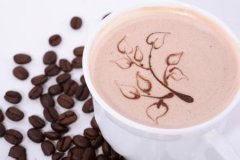
Puerto Rico San Pedro Estate Coffee Beans
Puerto Rico San Pedro Estate Coffee Beans Puerto Rico This new crop coffee is a mild, supple, well-balanced island bean. The dry aroma has an attractive single malt sweetness. It is extremely sweet when sipped in the cup. The medium roasted cream and oily texture are often suitable for Puerto Rico island beans. The history of coffee throughout the Caribbean and the Spanish name transliteration